- The Borrow Smart Chronicles
- Posts
- A Week in Charts


"To simplify before you understand the details is ignorance.
To simplify after you understand the details is genius."
LIABILITIES
Buy, Borrow, Die?
The wealthy don't sell their assets. They borrow against them.
Professor Edward McCaffery named this strategy in the 1990s. It's not a loophole. It's the tax code working exactly as designed.
Here's how it works:
Buy appreciating assets. Stocks. Real estate. Businesses. Let them grow. Don't touch them.
Borrow against those assets when you need cash. A loan isn't income. No tax. You get liquidity without selling a thing.
Die with the assets still in your name. Your heirs inherit them at today's value—not what you paid decades ago. All those gains? Erased. They sell, pay off the loans, and keep the rest.
Why it works
Every time you sell, you lose a piece to taxes. That's friction. Friction kills compounding.
Run the math: $10M growing at 10% for 35 years. Sell along the way? You end up around $100M. Never sell? Over $230M.
Same portfolio. Same returns. Wildly different outcomes.
The risks
This is leverage. Leverage cuts both ways.
Markets crash, and you might face a margin call—forced to sell at the worst possible time. Interest rates spike, and your cheap debt gets expensive fast.
What changed in 2025
The One Big Beautiful Bill Act locked in the step-up in basis rule. Estate exemptions jumped to $15M per person. The strategy just got safer.

Click the image to explore this educational landing page for yourself…
In some ways, this is happening naturally:
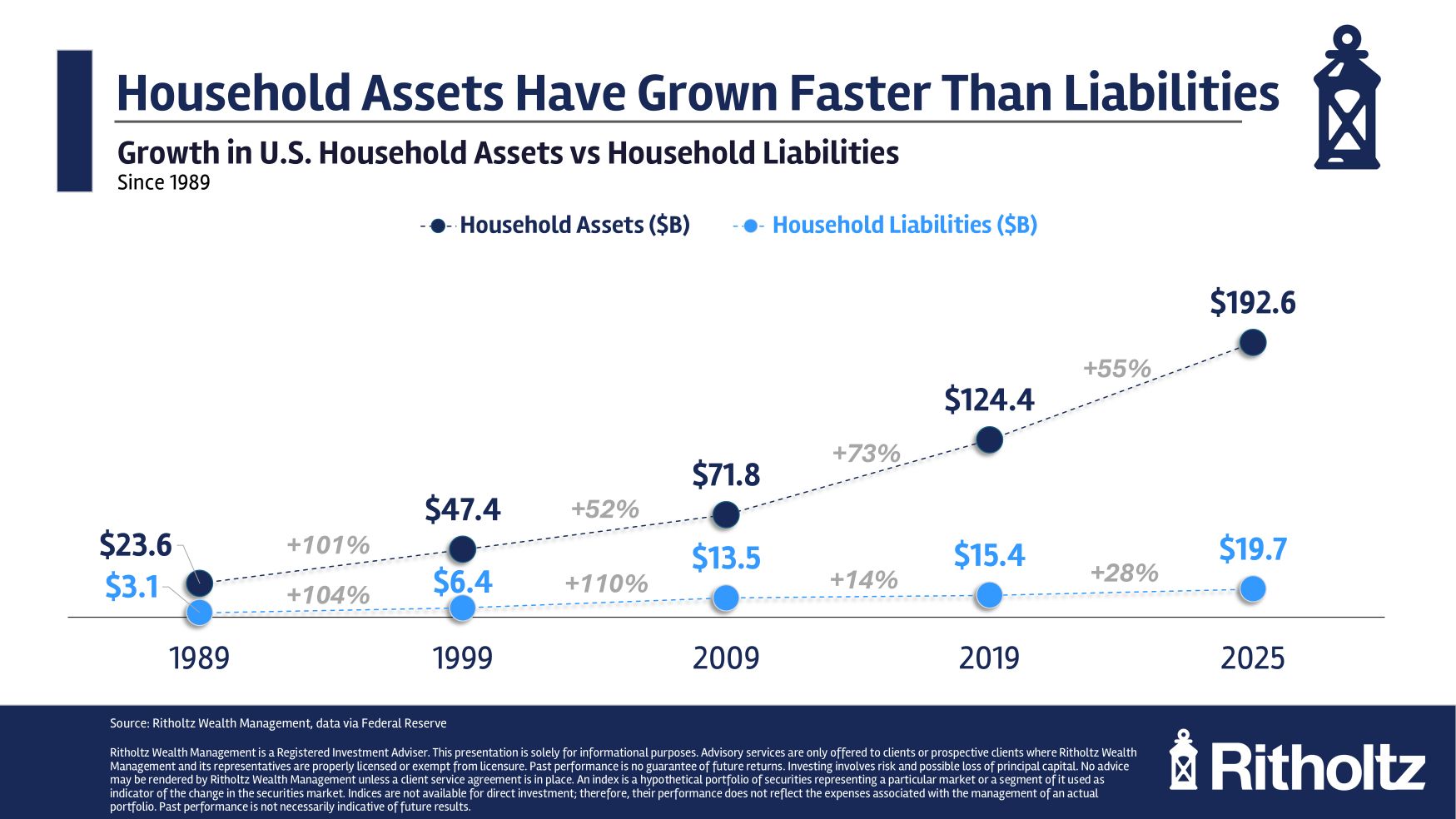
If you're not a renter and you own real estate, your household assets are largely correlated to real estate, which gets a step up in basis when your heirs inherit it.
REAL ESTATE
What’s Happening?
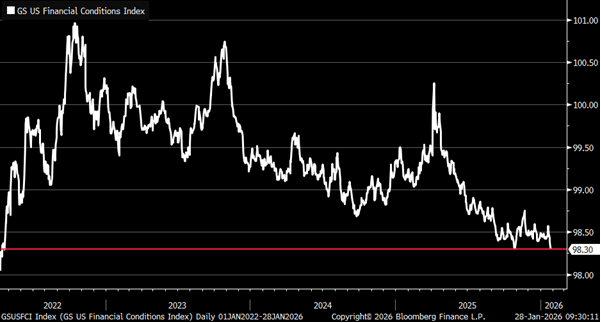
Financial conditions continue to loosen.
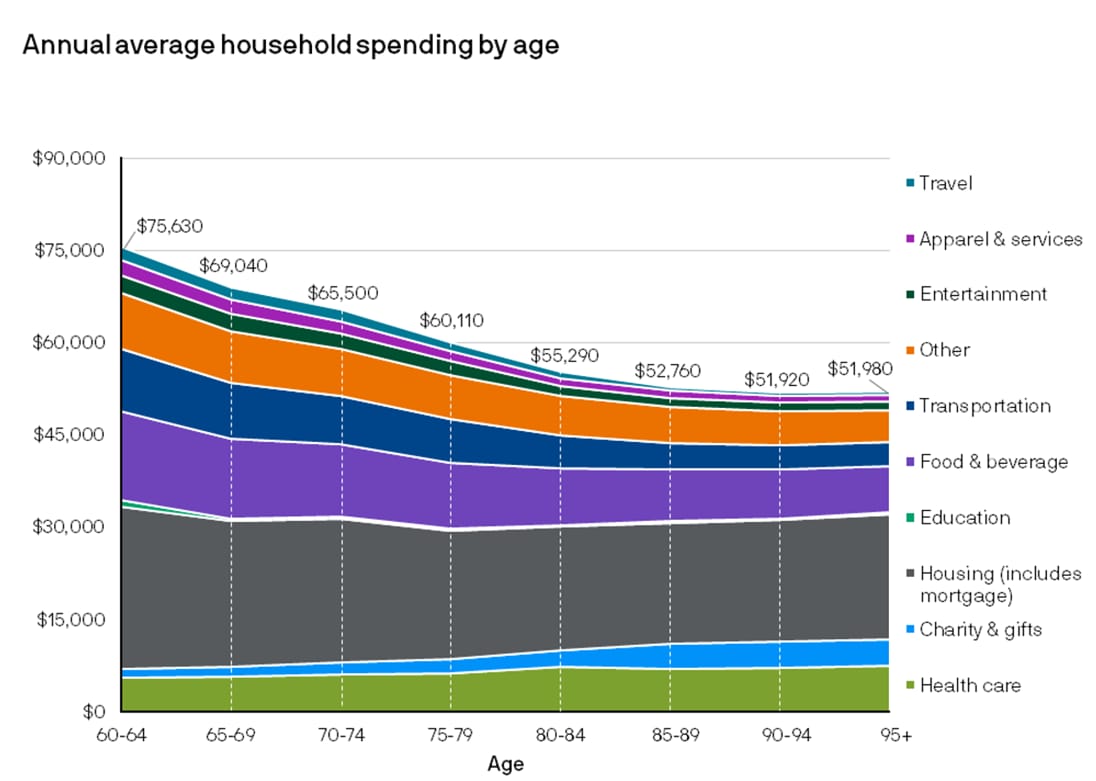
We manage liabilities because housing is still the largest expense.
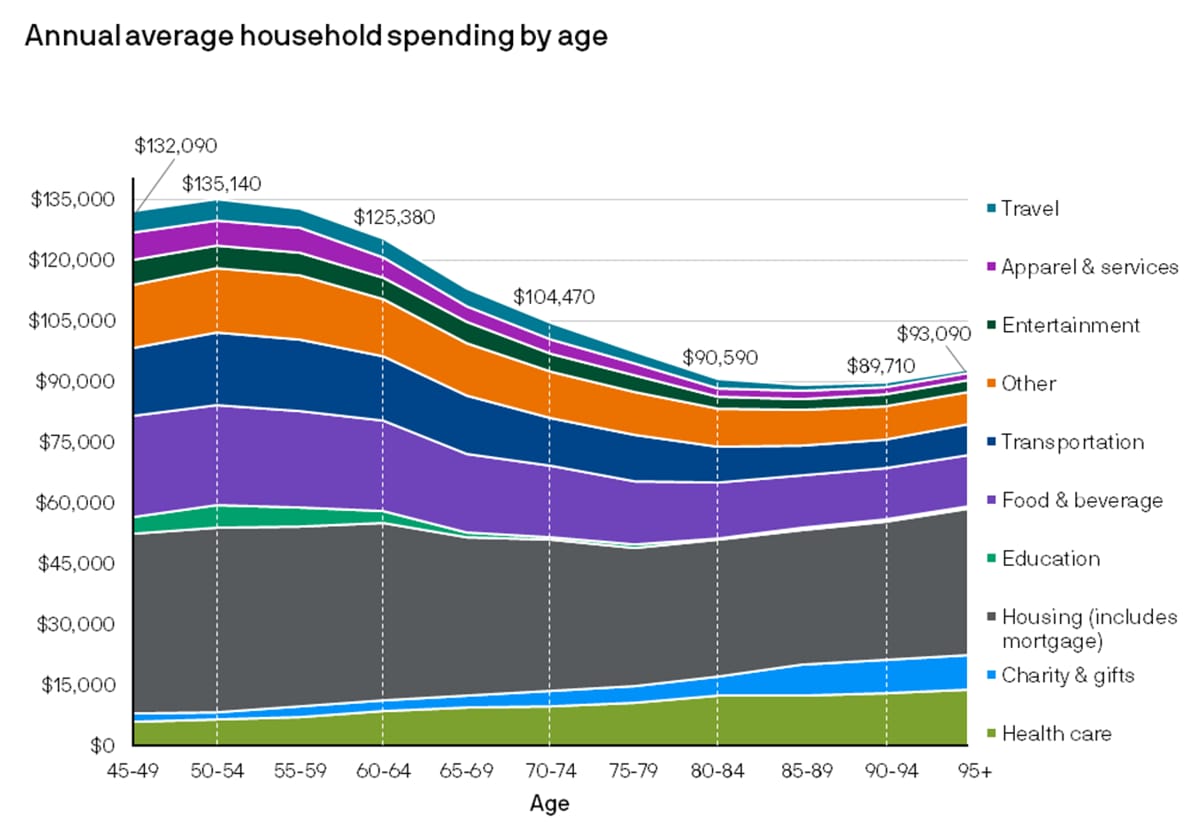
And that doesn't go away for most in retirement.For many, it goes up in retirement.
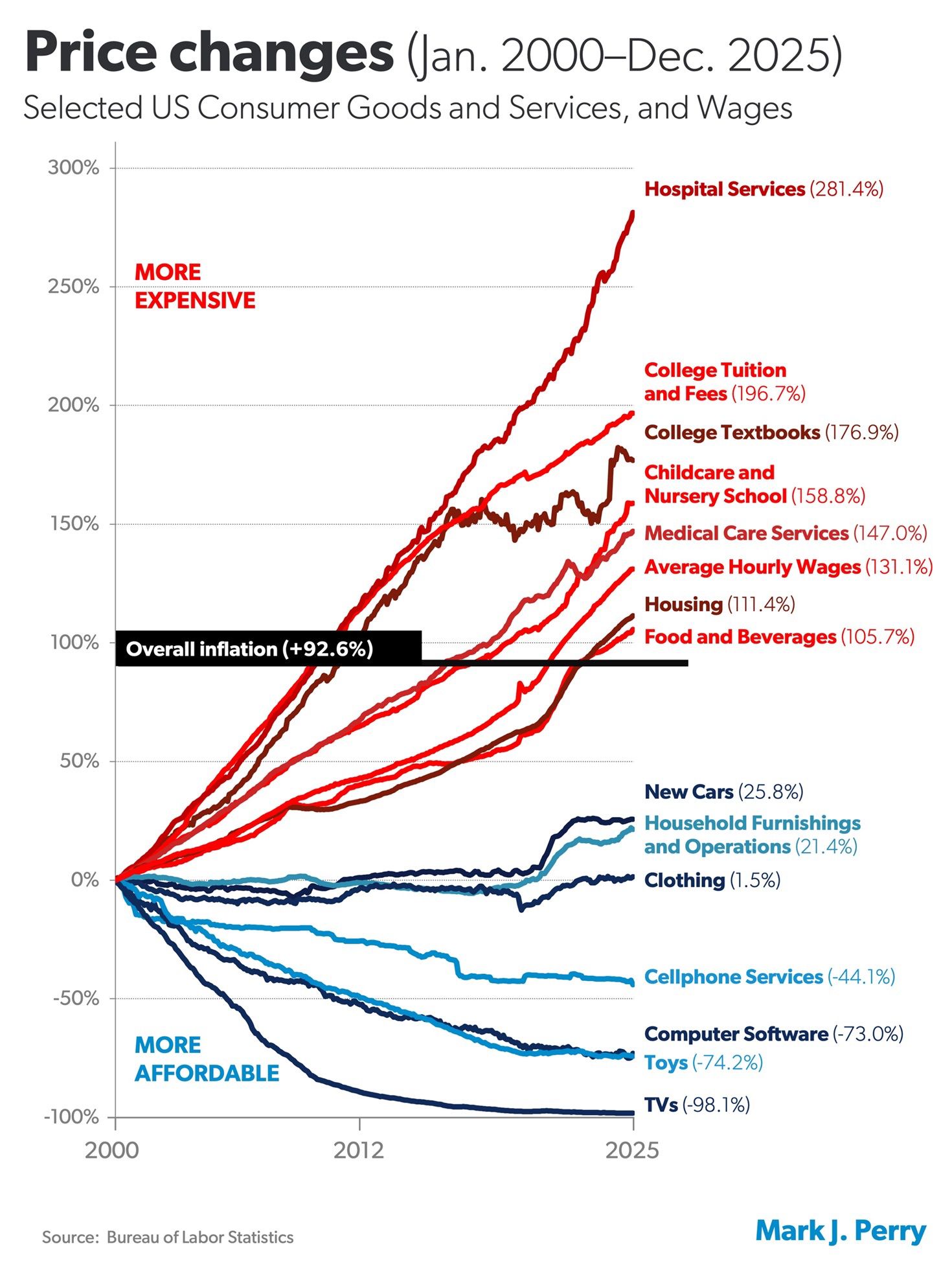
Many things inflate, but housing is up 111% since 2000
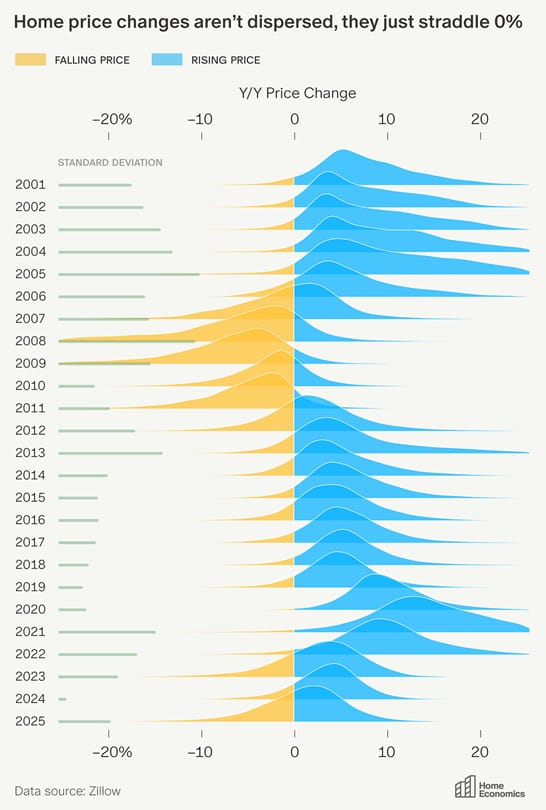
“My conclusion is that this is indeed an abnormal housing market, but not in the way the journalist suggested. It’s not that home prices are rising a lot in some places and falling a lot in others—the spread (standard deviation) of price changes across ZIP codes is actually below average.” from Aziz Sunderji
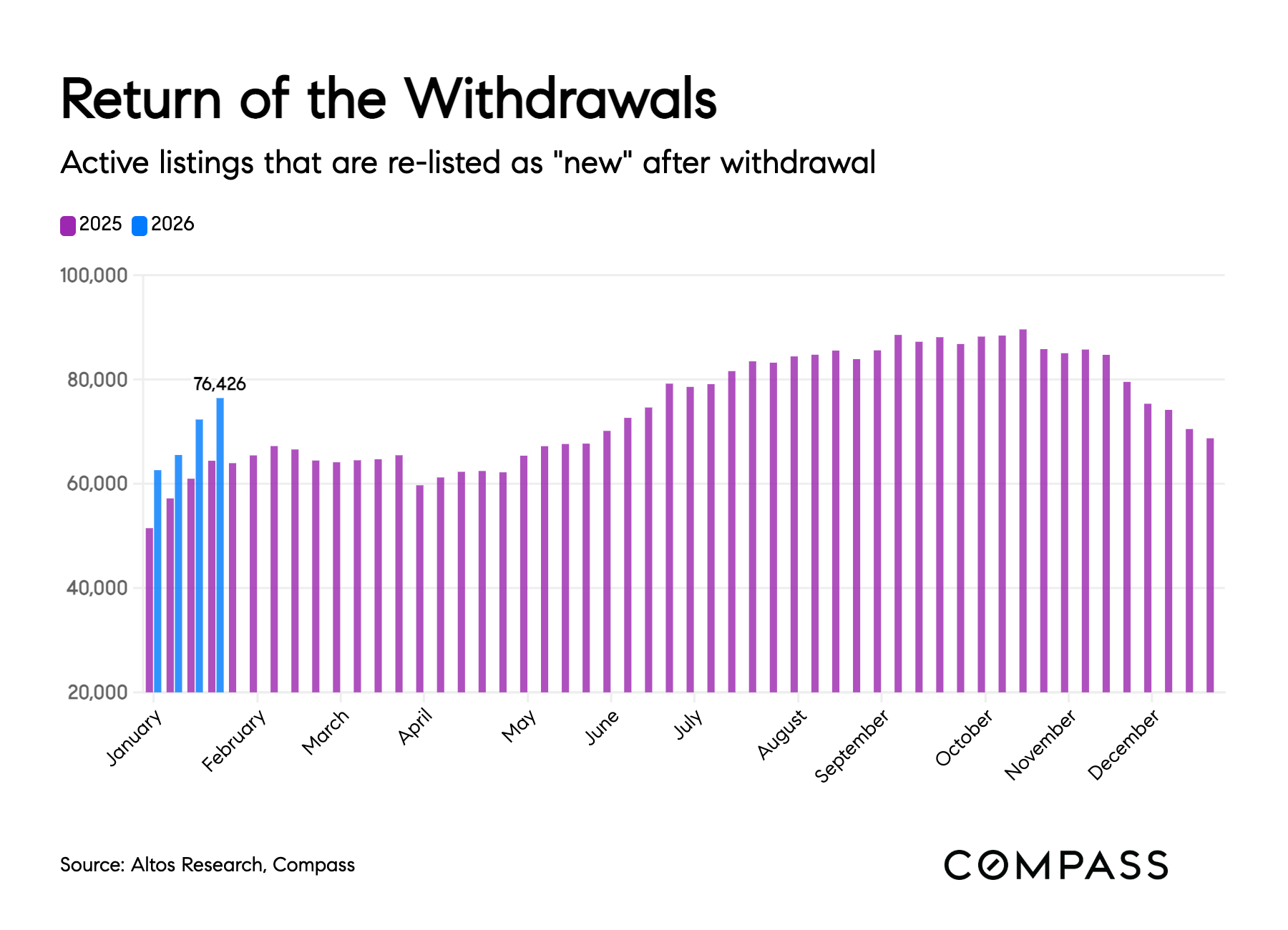
More people are having to re-list their homes to get them sold.
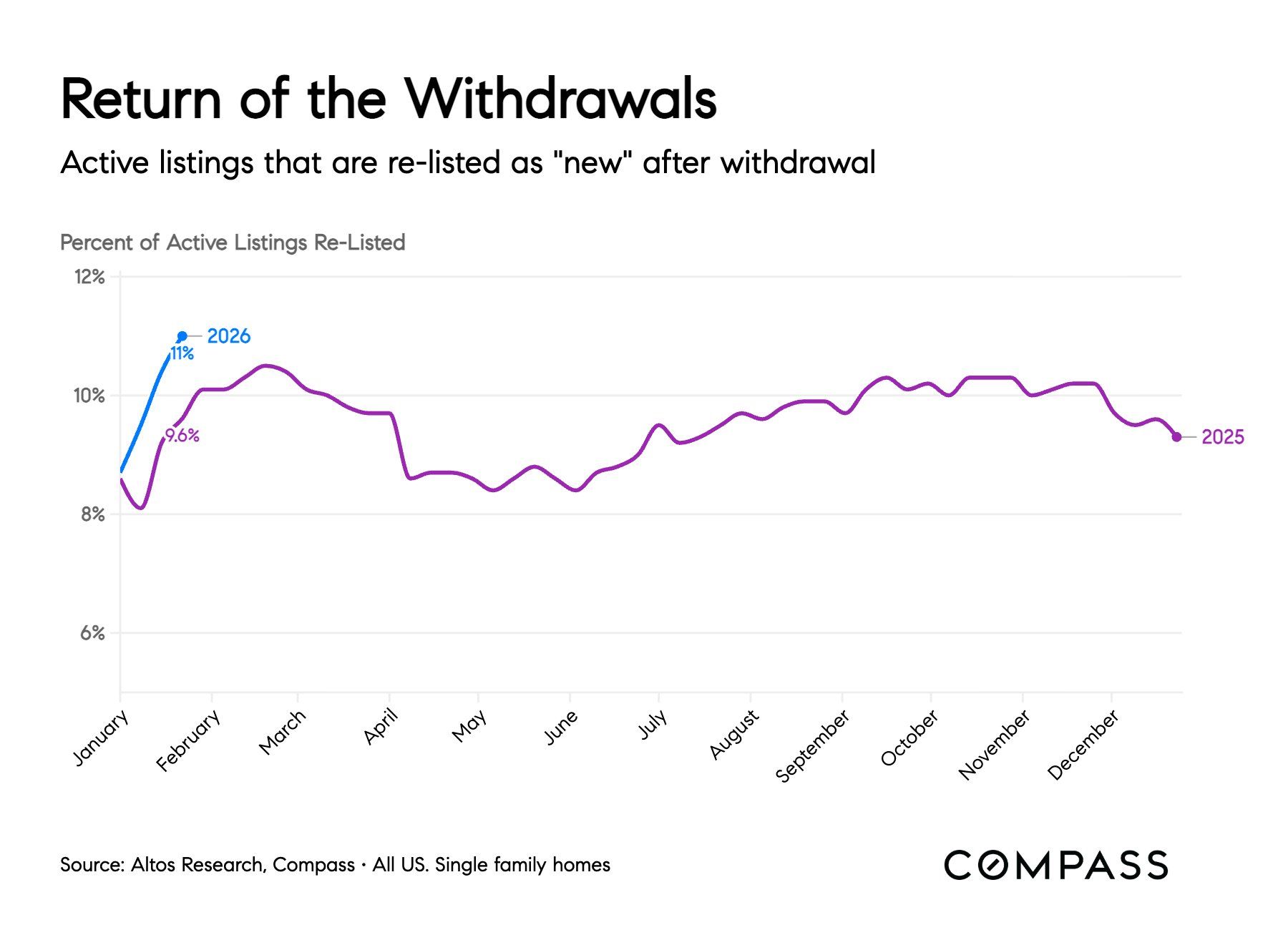
Much higher than last year so far. This could lead to softening house prices.
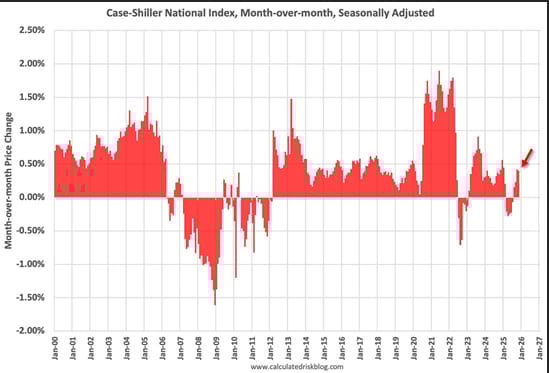
But so far… House prices were up 1.9% in November.
ASSETS
What’s Happening?
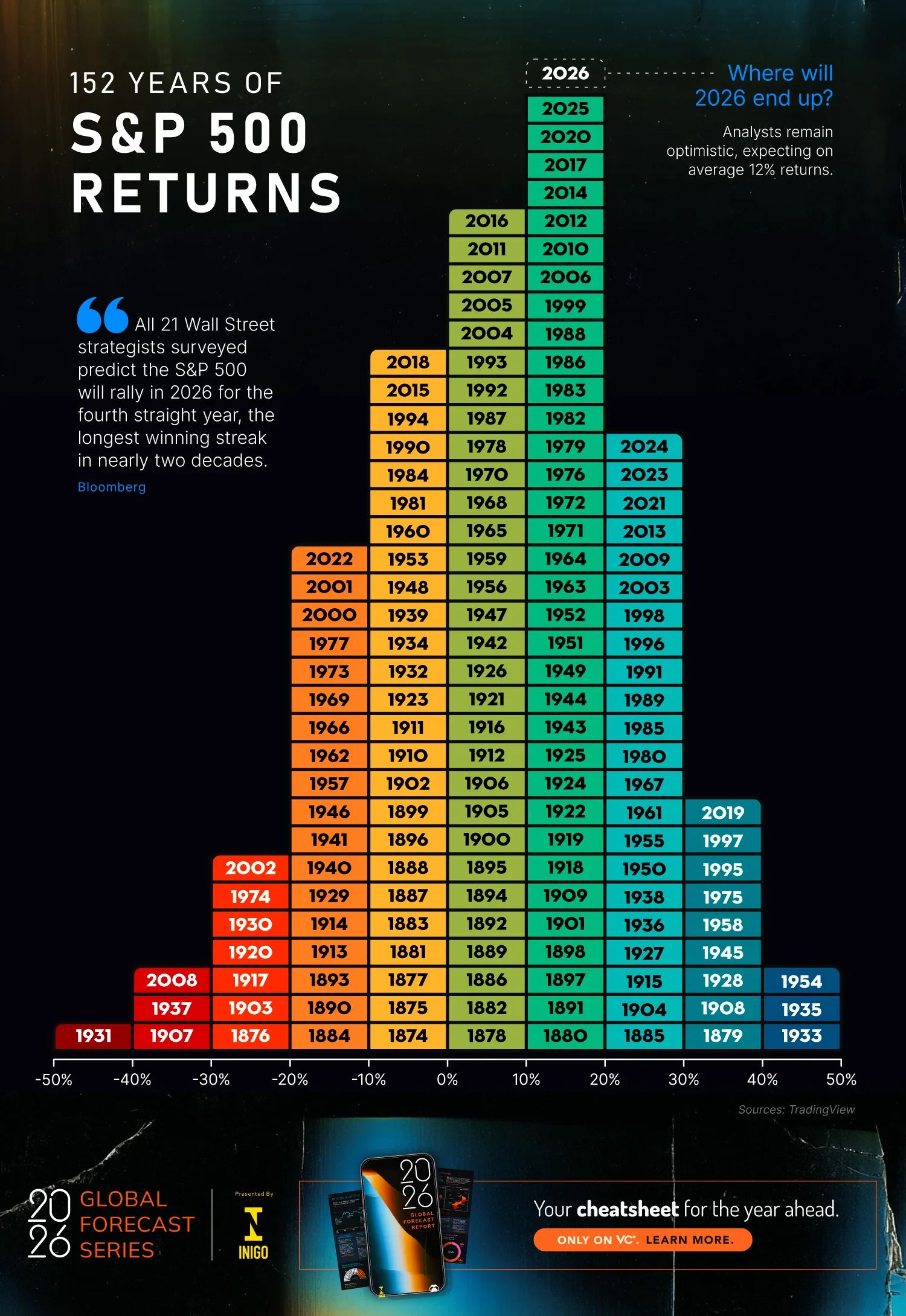
Always loved this chart. Such a simple visual and powerful tool.We spend so much time thinking about what could go wrong.Wrong happens a lot less than we imagine.
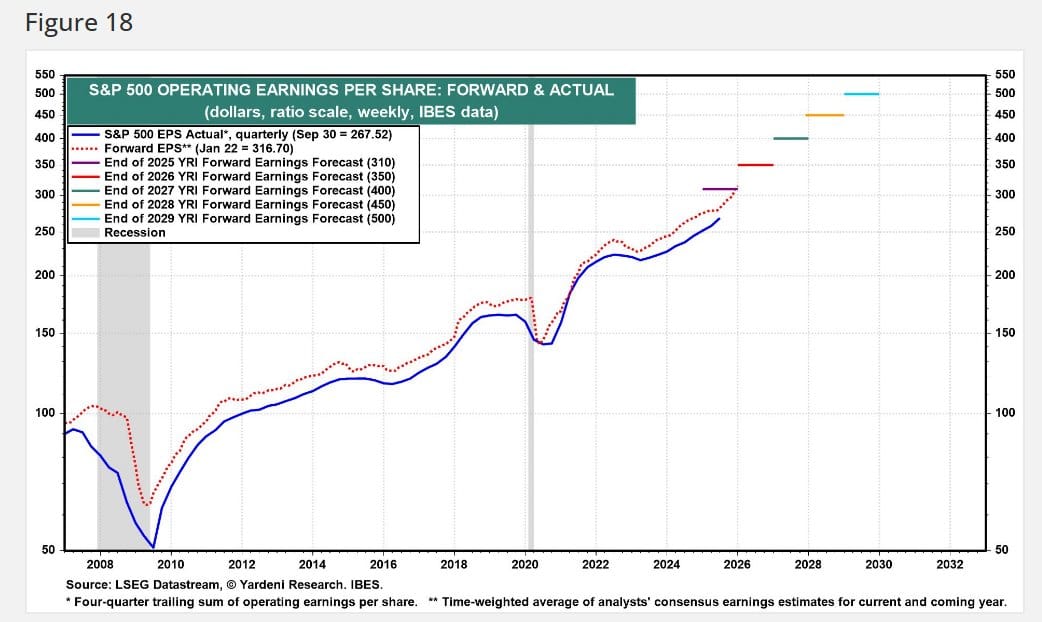
Expectations for this year are the highest on record.
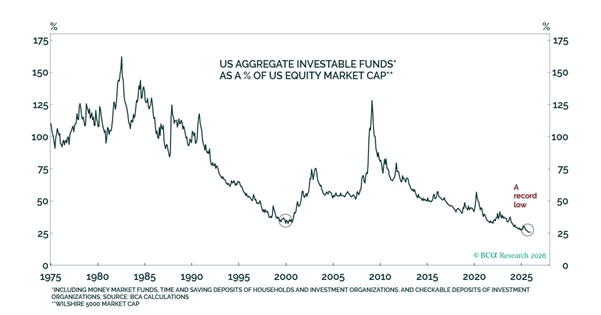
But there's not a lot of cash sitting on the sidelines.
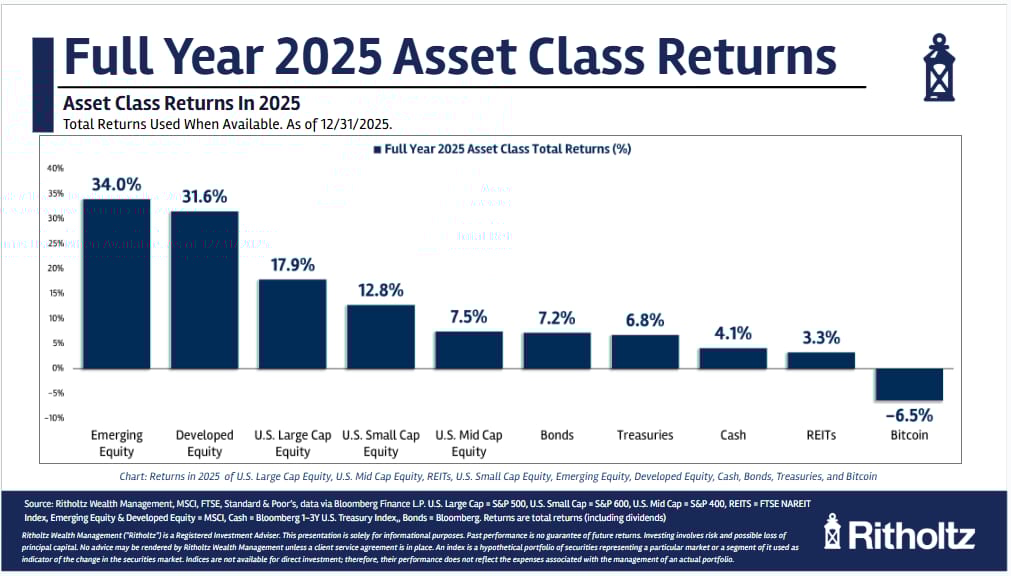
Many predicted this, and last year the global economy started to catch up to the U.S. economy and, more importantly, the stock market.
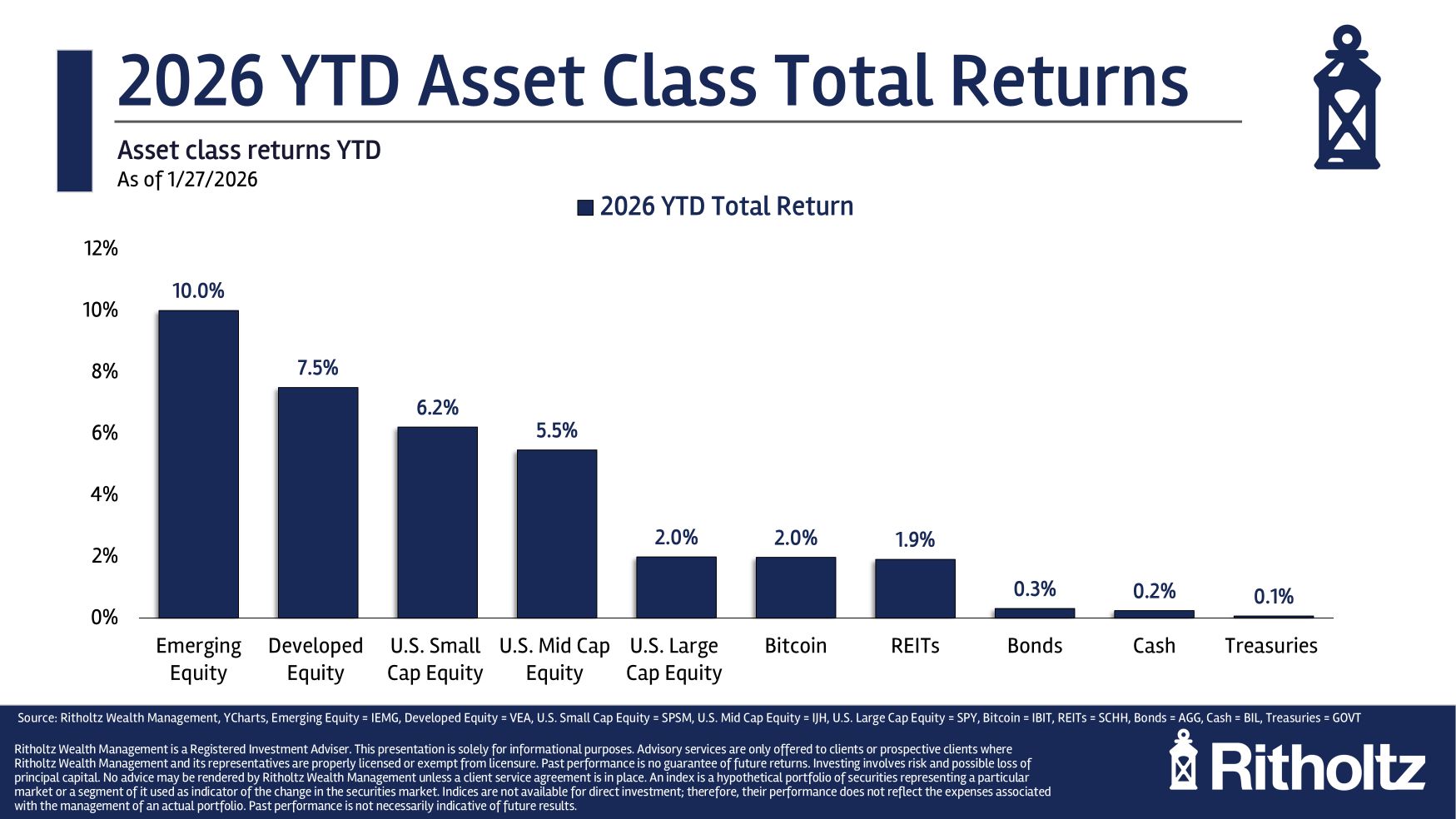
A good look at how things are going this year.
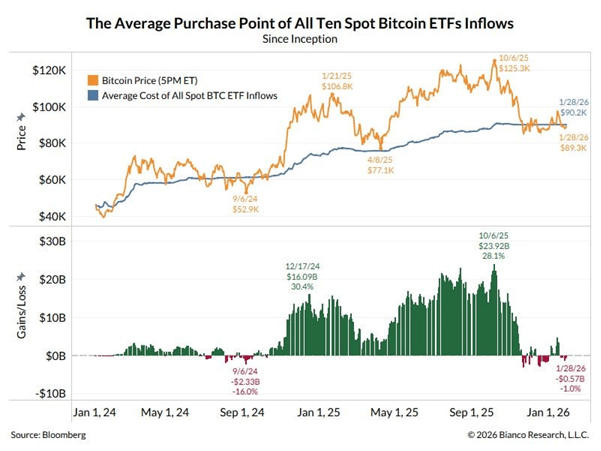
We're at a point where the average investor is break-even on Bitcoin.
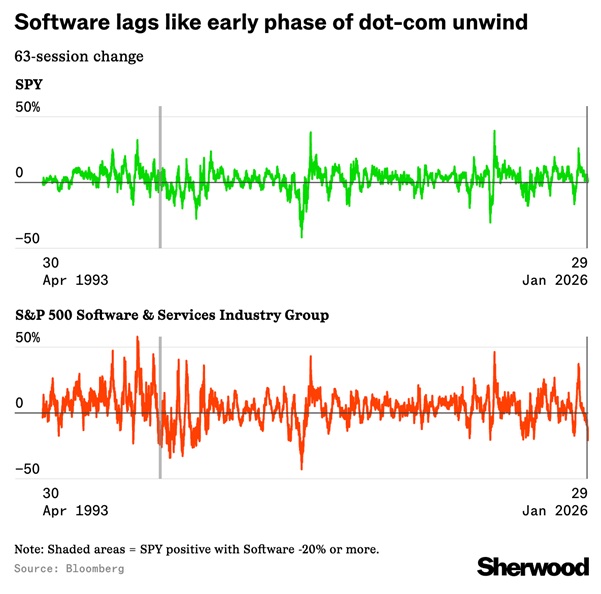
There are concerns that we're setting up for another bubble top, but we might not be there for some time.
ON BEING HUMAN
What’s Worth Sharing?
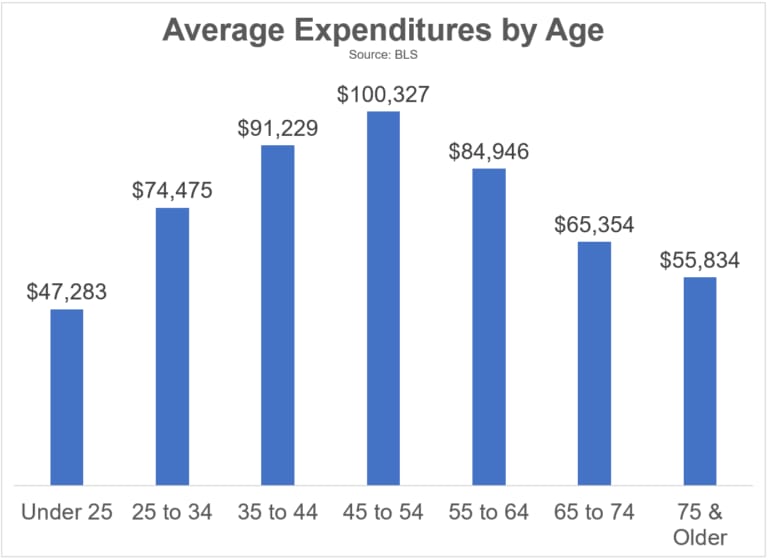
Peak spending is right there in the sandwich. Often you have young children, college starting, and parents aging.
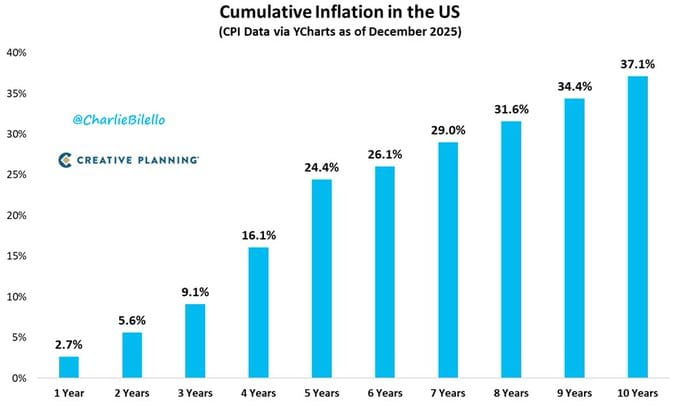
This is the toughest chart for most of us because it shows the impact of cumulative inflation, meaning everything costs 37% more on average from just 10 years ago.Said differently, your dollar spends like $0.63 now.
DOPAMEMES
And Other Happy Moments…

And be the change you want to see.
Was this email forwarded to you? Sign up here.
AI
and The Future of Work…
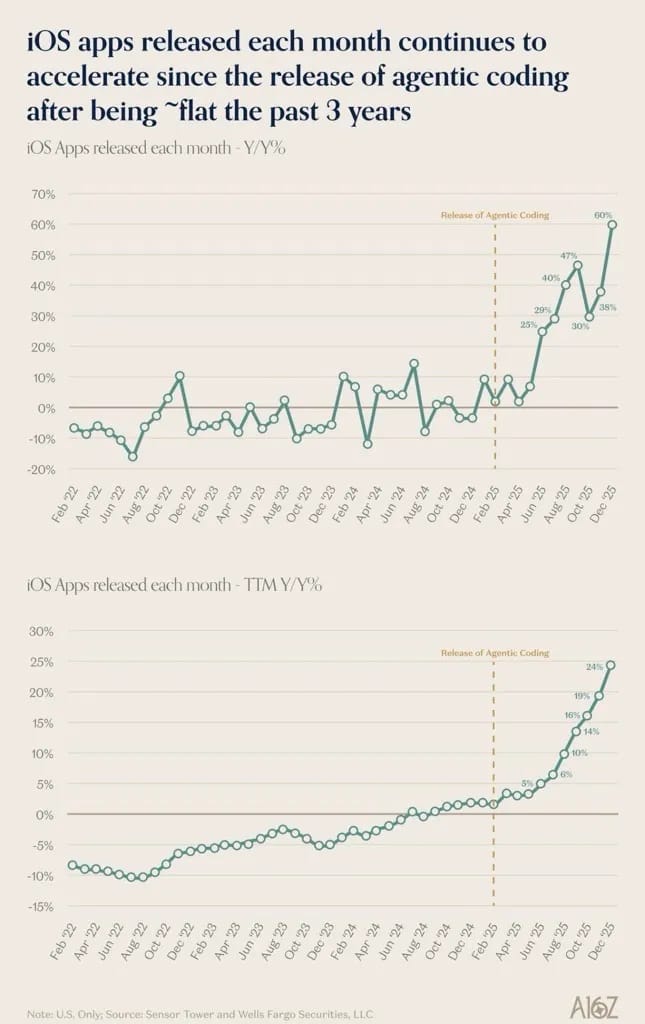
I'm working on a couple of apps for the App Store. Can't wait to share them.